


Skip to content
Digital agency workspace with a laptop and visuals for web design, branding and digital advertising overlooking Sofia.
Case studies, solutions and news

Useful content from real work

Here we share project case studies, practical solutions and news from WebComa.

The focus is on real situations, clear explanations and topics that matter for a business's web presence.

Blog and Resources

Useful content from real work

Results found: 6
Active filters:Guide
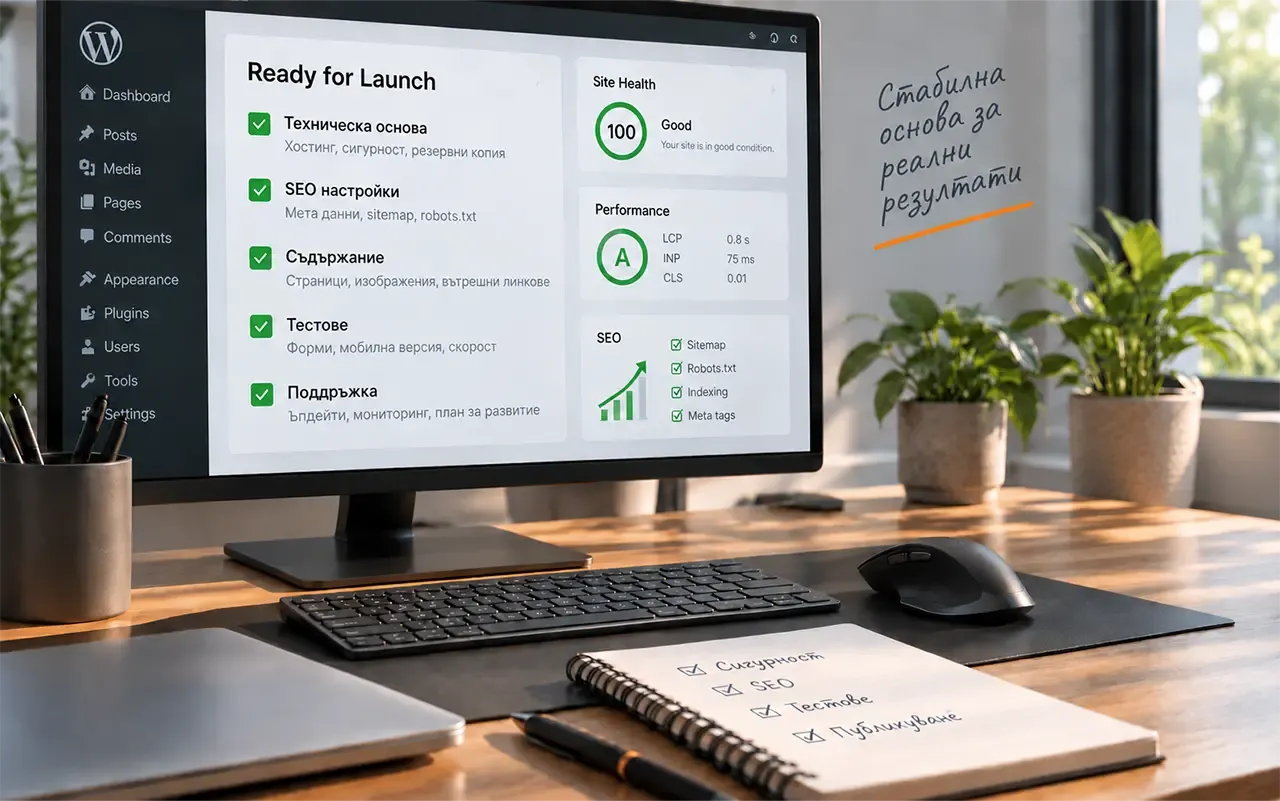
Workspace with a monitor displaying an illustrative pre-launch checklist for technical setup, SEO, testing, and maintenance.

Before launch: technical foundations, SEO and maintenance

Plan the environment, real user actions, the transition from the old website and care after launch. Publishing means handing over a working process, not just uploading pages.

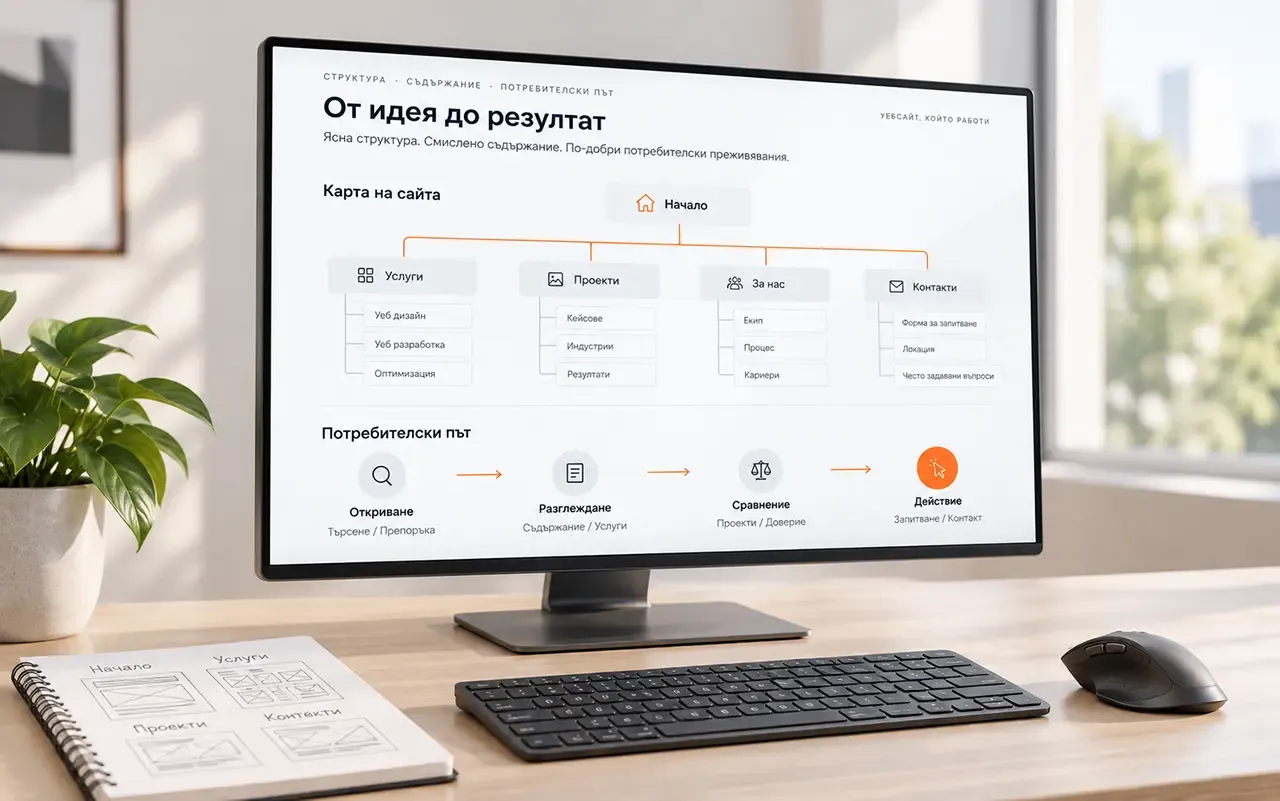
Workspace with a monitor showing a website structure, content organization, and an example user journey from discovery to action.

Before design: structure, content and the user journey

Organise information around visitors' tasks. Clear pages, navigation and a tested user journey give visual design a direction.

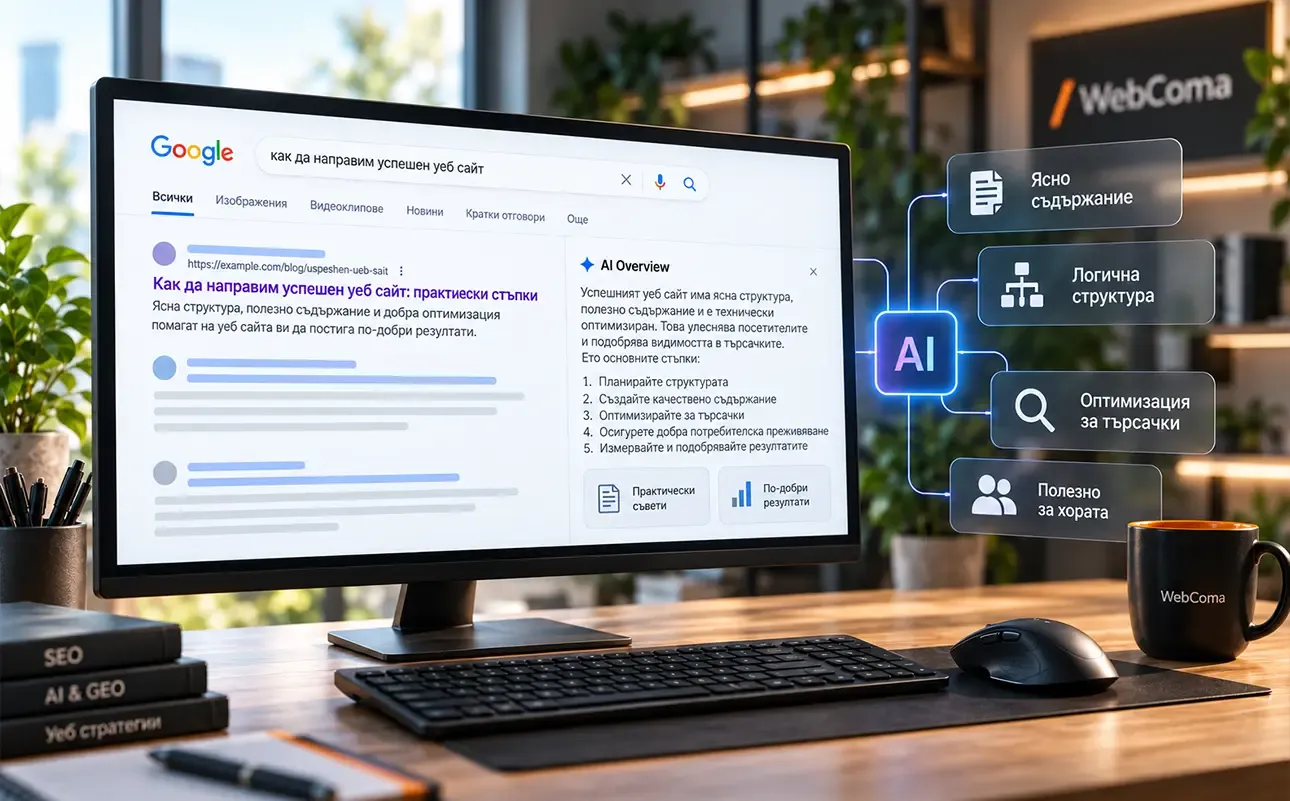
Screen showing an AI-powered search result with visual highlights for clear content, logical structure, search optimization, and usefulness for people.

AIO / GEO optimization: why clear content matters more

Clear answers, verifiable sources and a sound structure are a practical foundation for content in AI search. They do not guarantee citations or rankings.

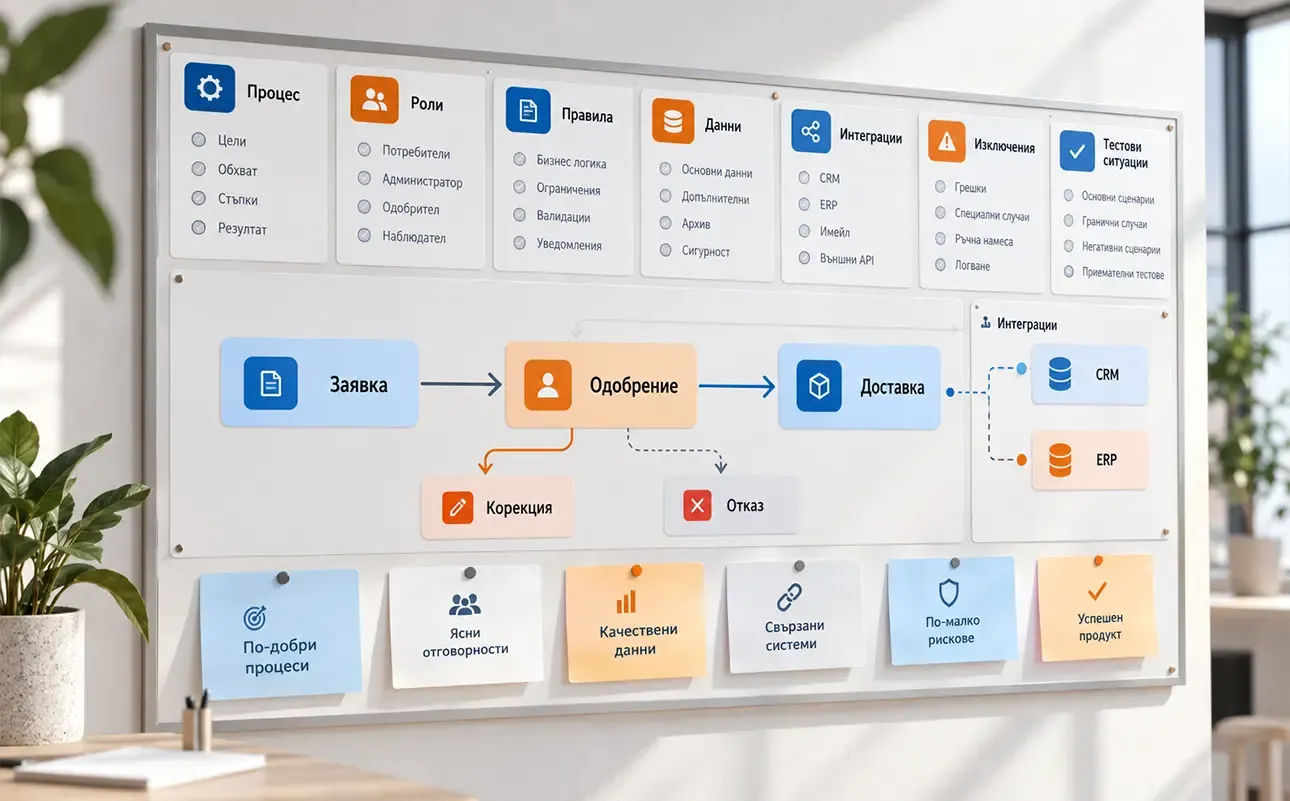
Planning board for a custom web system covering process, roles, rules, data, integrations, exceptions, and test scenarios.

How to write a project brief for a custom web system

Describe the workflow, participants, rules and exceptions. The technical team can design a solution once it understands the work the system needs to support.

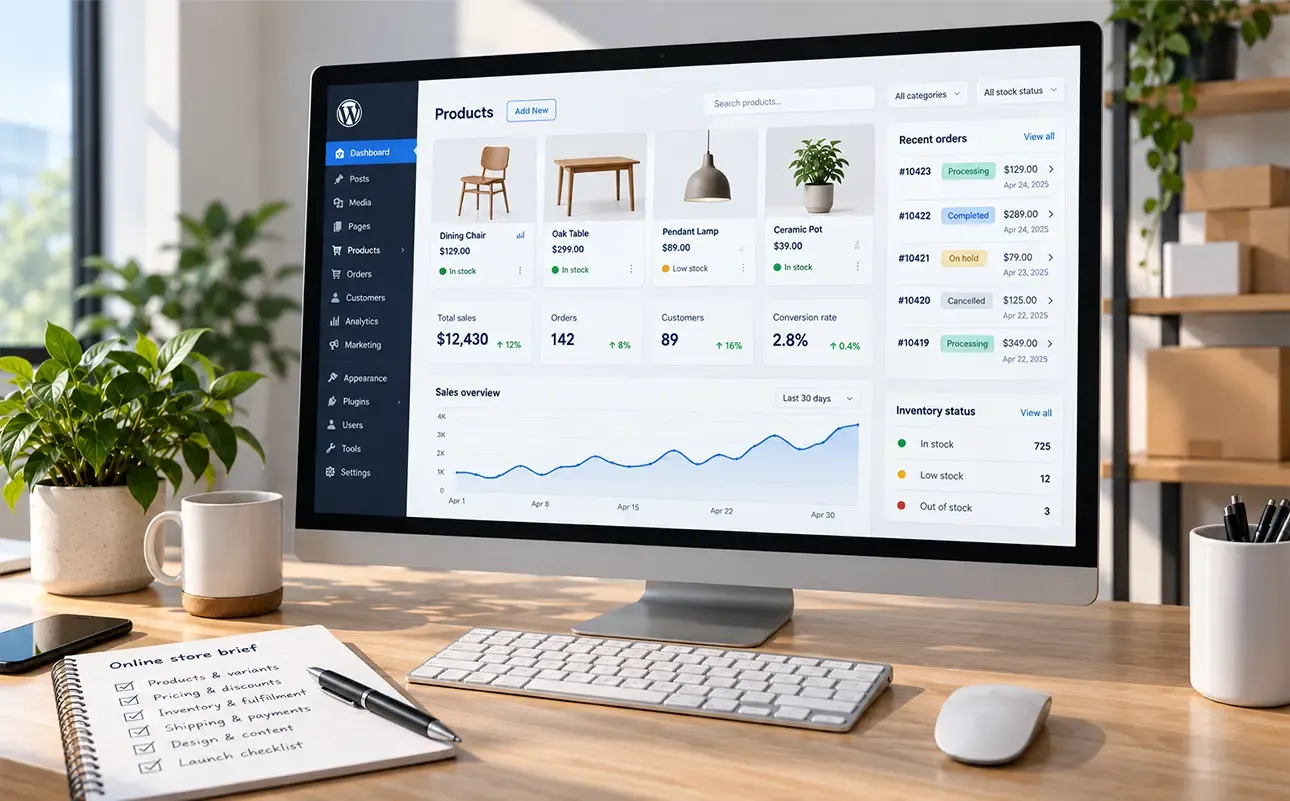
Workspace with a product, inventory, and order interface showing the connection between the catalog and online order fulfilment.

How to write a project brief for an online store

Describe how you sell: products, prices, stock and the path from order to fulfilment. This provides a basis for choosing a platform and defining a realistic scope.

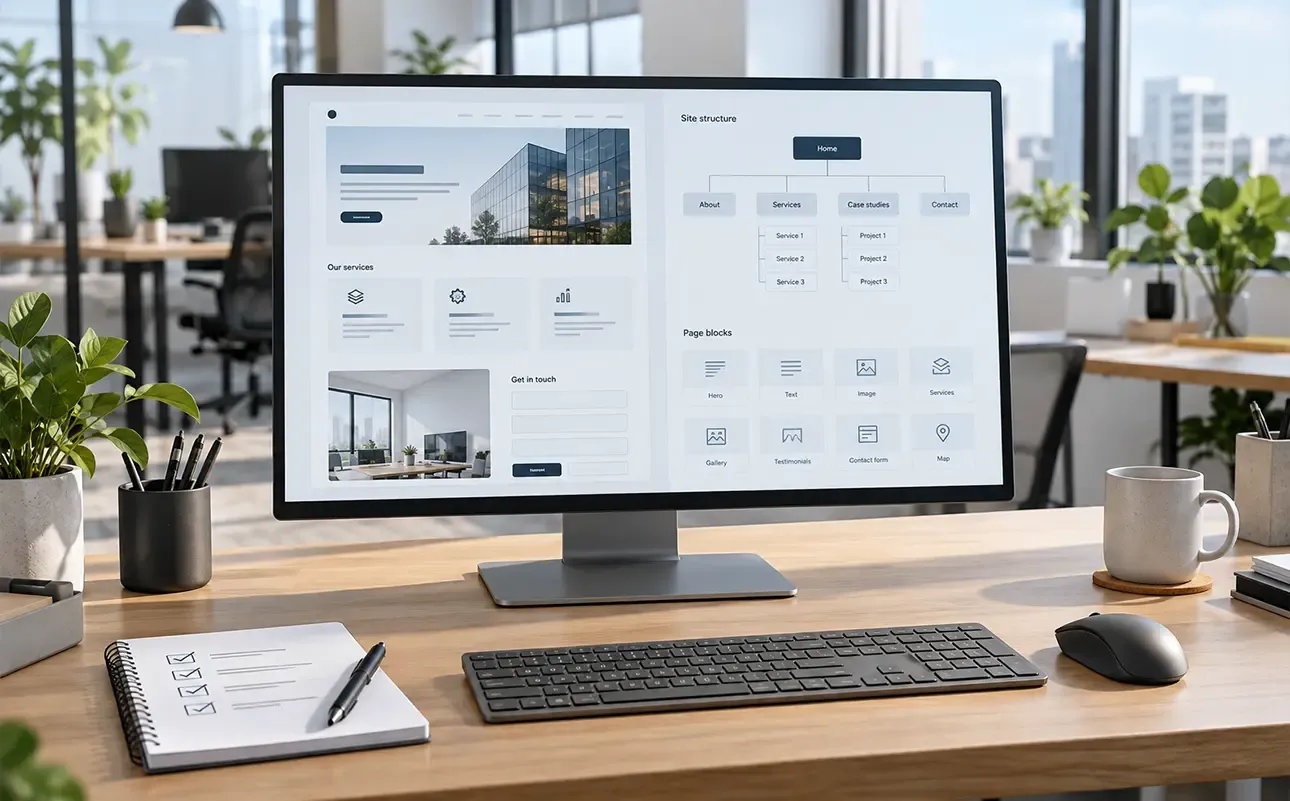
Workspace with a monitor showing an example corporate website structure, key pages, and content blocks.

How to write a project brief for a corporate website

Describe the website's purpose, its users, the functions it needs and who is responsible. This gives the conversation with a provider a concrete scope.

Our approach

The experience behind the decisions

Not everything useful stays within the limits of a single project. Here we share experience, decisions and observations from our work.

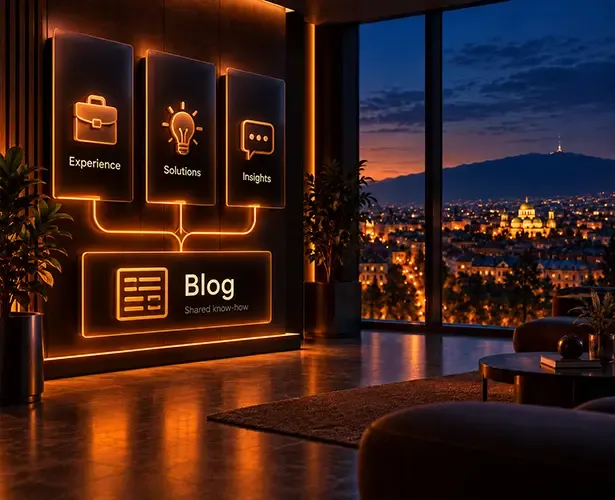
Experience, solutions and insights brought together as shared professional knowledge

Have a specific case?

If you are looking for a solution related to a website, support, automation or digital presence, we can discuss it.

Case studies from real projects

We talk about tasks, decisions and processes from real work, when we can share useful context without breaking confidentiality.

Practical solutions

We explain specific problems and approaches - from website structure and SEO to support, automation and better organization of digital presence.

News from WebComa

We share important changes, new services, internal improvements and other topics that matter to clients and people who follow our work.

Frequently Asked Questions

Got Questions? We've Got Answers.

Project case studies, practical solutions and news from WebComa. The topics are related to web development, SEO, automation, support, design and digital presence.

Yes. When a topic is technical, we explain the context and the reasons behind the decisions. The goal is not to make things more complicated, but to make the topic easier to understand.

Yes, when the project allows public presentation. In these articles, we show the task, the approach and the result without invented metrics or sensitive information.

It depends on your goals, available resources and way of working. In the articles, we try to show not only the solutions, but also the context in which they make sense.

Not always. What works well for one project may be unnecessary for another. That is why we focus not only on the solutions, but also on the reasons behind them.

Because there is rarely only one correct approach. Technology, budget, deadlines and goals often lead to different solutions to the same problem.