
Skip to content
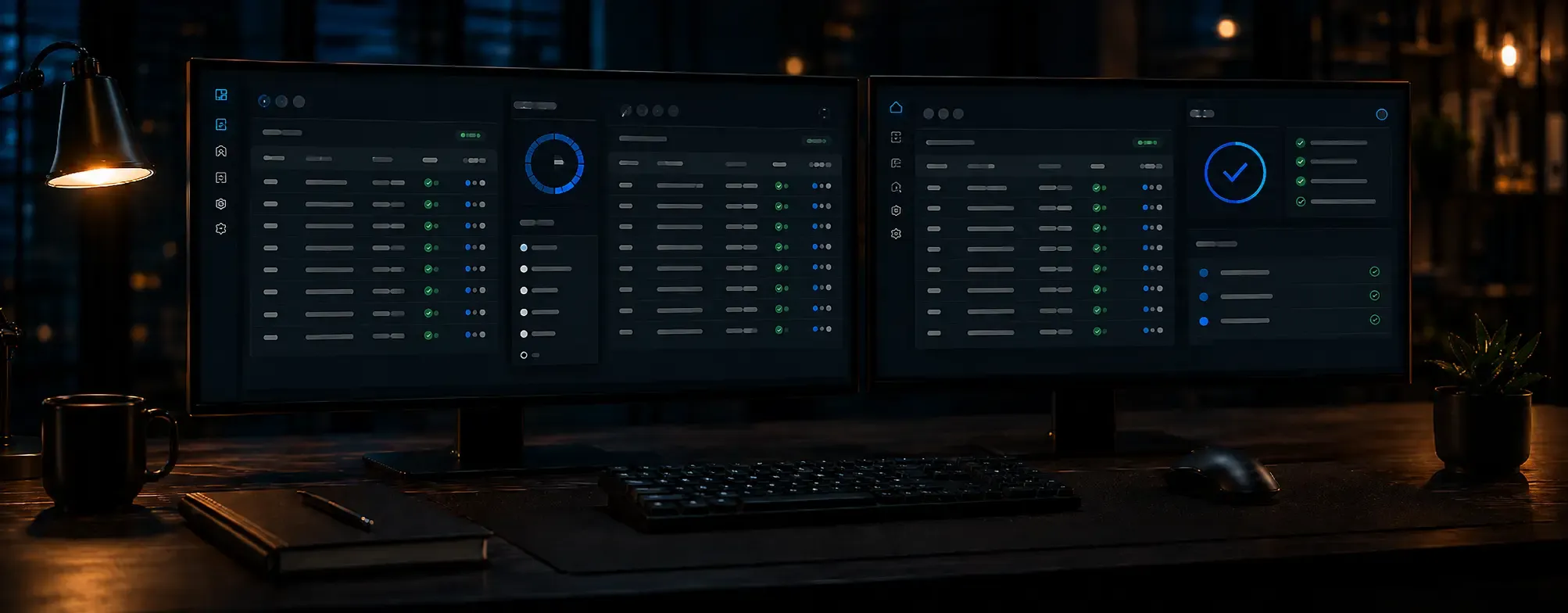
Dark workspace with two monitors showing synchronized records, statuses, and data consistency between systems.
Our expertise

Data Synchronization and Exchange Between Systems

We build data synchronization and exchange solutions for businesses that need information to update automatically and stay consistent across different systems. We take a practical approach to exchange logic, update rules, and technical implementation, so data moves reliably and without unnecessary mismatches.

Service overview

When the same information is maintained in two or more systems, manual updates quickly start to slow work down and create mismatches. Data synchronization and exchange make sense when information needs to stay consistent and up to date across different places, without the team repeating the same actions. This can include updates for products, stock availability, order statuses, customer data, and other important records depending on the specific process. We work with a focus on the exchange itself, the synchronization logic, and the reliable maintenance of consistent data between systems.

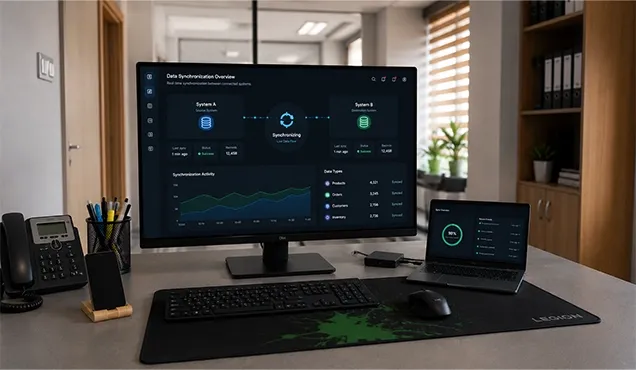
Work screen showing data synchronization between two systems and exchange status.
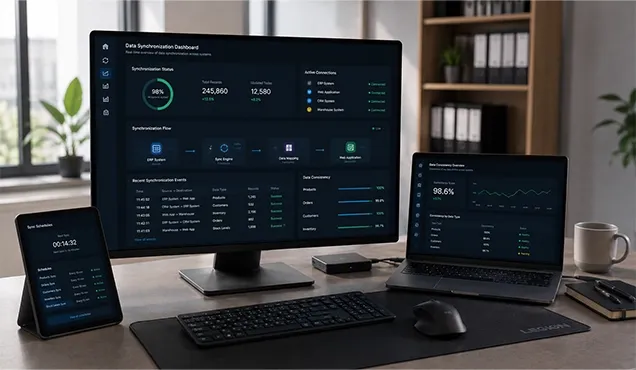
Data synchronization dashboard with active connections, processes and statuses between systems.

What does the service include?

The process clarifies which data moves, when, and under what conditions, so mismatches between systems and manual updates are reduced.

  • Consultation and clarification of which systems exchange data and what the main need is
  • Analysis of the data types, update rules, and key points in the process
  • Planning what gets synchronized, when, and under what conditions
  • Building logic for automatic data exchange and updates between systems
  • Setting up the core scenarios for sending, receiving, and synchronizing information
  • Testing key use cases and the behavior of the process
  • A clearer process for monitoring, support, and next steps after launch

Why choose WebComa?

Less manual updating

When data is synchronized automatically, there is less need to maintain the same information manually in multiple places.

More consistent data across systems

Synchronization helps information stay more consistent and reduces the risk of mismatches between different environments.

A more structured exchange process

When the exchange logic is clear, processes move more smoothly and with fewer unnecessary checks.

A more reliable workflow

Well-planned synchronization creates a better foundation for data to move in a stable and predictable way over time.

Frequently Asked Questions

Got Questions? We've Got Answers.

It makes sense when the same information is maintained in more than one place and manual updates are already causing delays, omissions, or mismatches.

That depends on the specific project, but common examples include products, stock availability, order statuses, customer data, and other records that need to stay current in more than one system.

Yes. Everything does not need to be fully defined in advance. If there is clarity around which data is creating difficulties and between which systems it needs to move, we can help structure the logic and assess the most sensible approach.

Yes, in many cases that is entirely possible. The important first step is to understand the exchange logic, which system is the source of truth for specific data, and how to avoid unnecessary conflicts.

Not necessarily. That depends on the specific process, the systems involved, and the needs of the business. In some cases near real-time synchronization is more suitable, while in others scheduled updates work better.

No. Well-built synchronization can significantly reduce mismatches and manual work, but the result also depends on the systems themselves, their limitations, and how data is handled in practice.

More from Integrations and Automation

Ready for a digital leap?

Contact us for a free consultation and let's discuss how we can help your business.

Contact us